A clear laboratory-handling walkthrough for reconstituting lyophilized research peptides, from choosing a diluent to gentle mixing and correct cold storage.
Note: This article describes laboratory handling of Research Use Only materials. It is not guidance for human or animal use of any kind.
Why Peptides Ship Lyophilized
Most research peptides are supplied as a lyophilized (freeze-dried) powder because the dry state is far more stable during storage and international shipping than a solution. Removing water slows the degradation reactions that would otherwise shorten a peptide's usable life.
Reconstitution is simply the controlled process of returning that dry powder to a liquid solution so it can be handled in the lab. Done carefully, it preserves the integrity and characterized purity of the material.
Choosing a Diluent
The most common diluent for reconstituting research peptides in a laboratory setting is bacteriostatic water — sterile water containing a small amount of a bacteriostatic agent that suppresses microbial growth in a multi-draw container. Sterile water and certain buffered solutions are also used depending on the peptide's solubility profile.
Some peptides are poorly soluble in neutral water and may require a specific solvent noted on their documentation. Always check the peptide's COA and product page for solubility guidance before selecting a diluent.
- Bacteriostatic water — common choice for multi-use lab stock solutions
- Sterile water — for single-use preparation
- Buffered or mildly acidic solvents — for peptides with limited neutral-water solubility
Materials to Prepare
Working cleanly reduces contamination and preserves solution quality. Assemble everything before opening the vial.
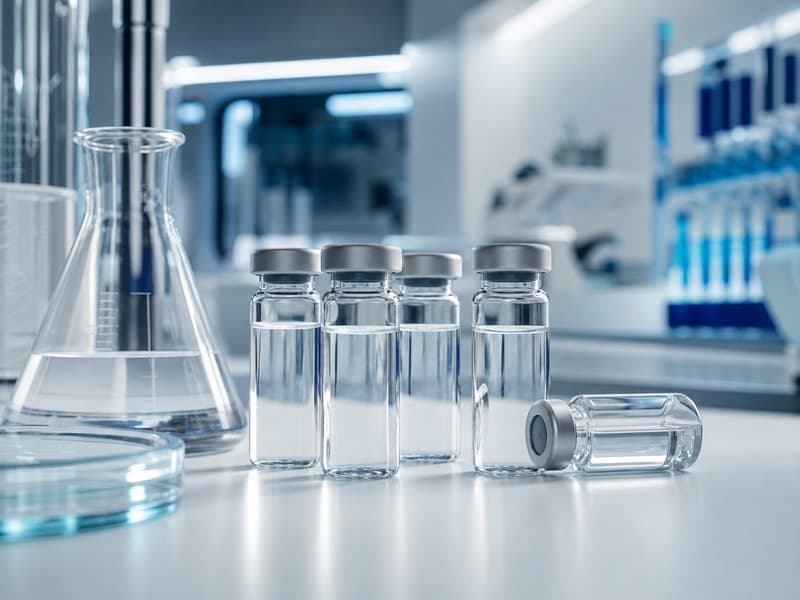
- The lyophilized peptide vial and its matching COA
- Bacteriostatic water (or the specified diluent)
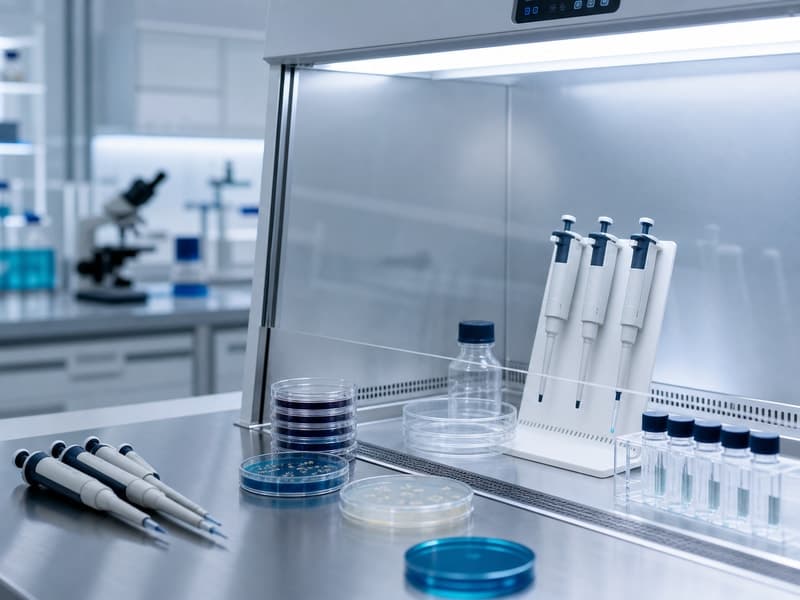
- Sterile syringes and needles, or a calibrated pipette
- Alcohol wipes for swabbing vial stoppers
- A clean, draft-free work surface
- Labels for lot number, concentration, and date
The Reconstitution Procedure
The goal is to introduce the diluent slowly and let the powder dissolve without harsh agitation. Peptides are sensitive to mechanical and thermal stress.
- Let the vial equilibrate to room temperature to reduce condensation.
- Swab both the peptide vial stopper and the diluent stopper with alcohol.
- Draw the calculated volume of diluent to reach your target concentration.
- Insert the needle at an angle and let the diluent run slowly down the inner glass wall, not directly onto the powder.
- Do not shake. Allow the peptide to dissolve on its own, or swirl gently.
- Wait until the solution is completely clear before use.
Calculating Concentration
Concentration is determined by the mass of peptide in the vial divided by the volume of diluent added. Use the net peptide content from the COA rather than gross vial weight for an accurate figure.
For example, if a vial contains a known net quantity of peptide and you add a specific diluent volume, the resulting concentration follows directly from that ratio. Standardizing this calculation across your lab supports reproducible experimental preparation.
Handling, Mixing, and Common Mistakes
The most frequent handling errors damage the peptide or the solution. Avoid vigorous shaking, which can denature sensitive sequences and introduce foaming. Avoid adding hot diluent. Avoid spraying diluent directly onto the powder pellet with force.
A cloudy or persistently undissolved solution can indicate a solubility mismatch — pause and recheck the recommended diluent rather than forcing dissolution.
Storage After Reconstitution
Once in solution, peptides are less stable than in their dry form, so storage conditions matter. Reconstituted solutions are generally kept refrigerated for short-term work and frozen for longer-term storage, with the exact conditions guided by the specific peptide's documentation.
Label prepared research material according to your laboratory's protocol and the applicable product documentation. Transport and handling requirements vary, so confirm them for the actual material and order rather than assuming a universal cold-chain service.
Key takeaways
- 01Reconstitution restores freeze-dried peptide to solution; do it gently to preserve integrity.
- 02Add diluent slowly down the vial wall and never shake — swirl to dissolve.
- 03Base concentration calculations on net peptide content from the COA, not gross weight.
- 04Store reconstituted solutions cold, label fully, and limit freeze-thaw cycles.
Frequently asked
What is bacteriostatic water used for in peptide reconstitution?+
Why should you avoid shaking a peptide during reconstitution?+
How is peptide concentration calculated after reconstitution?+
Research Use Only. This article is educational and describes research-use materials only. Flintmarrow products are not drugs or supplements and are not for human or veterinary use.
Need product or lot details confirmed?
Browse USD pricing where published, then ask about current specifications, available documents and shipping for your order.